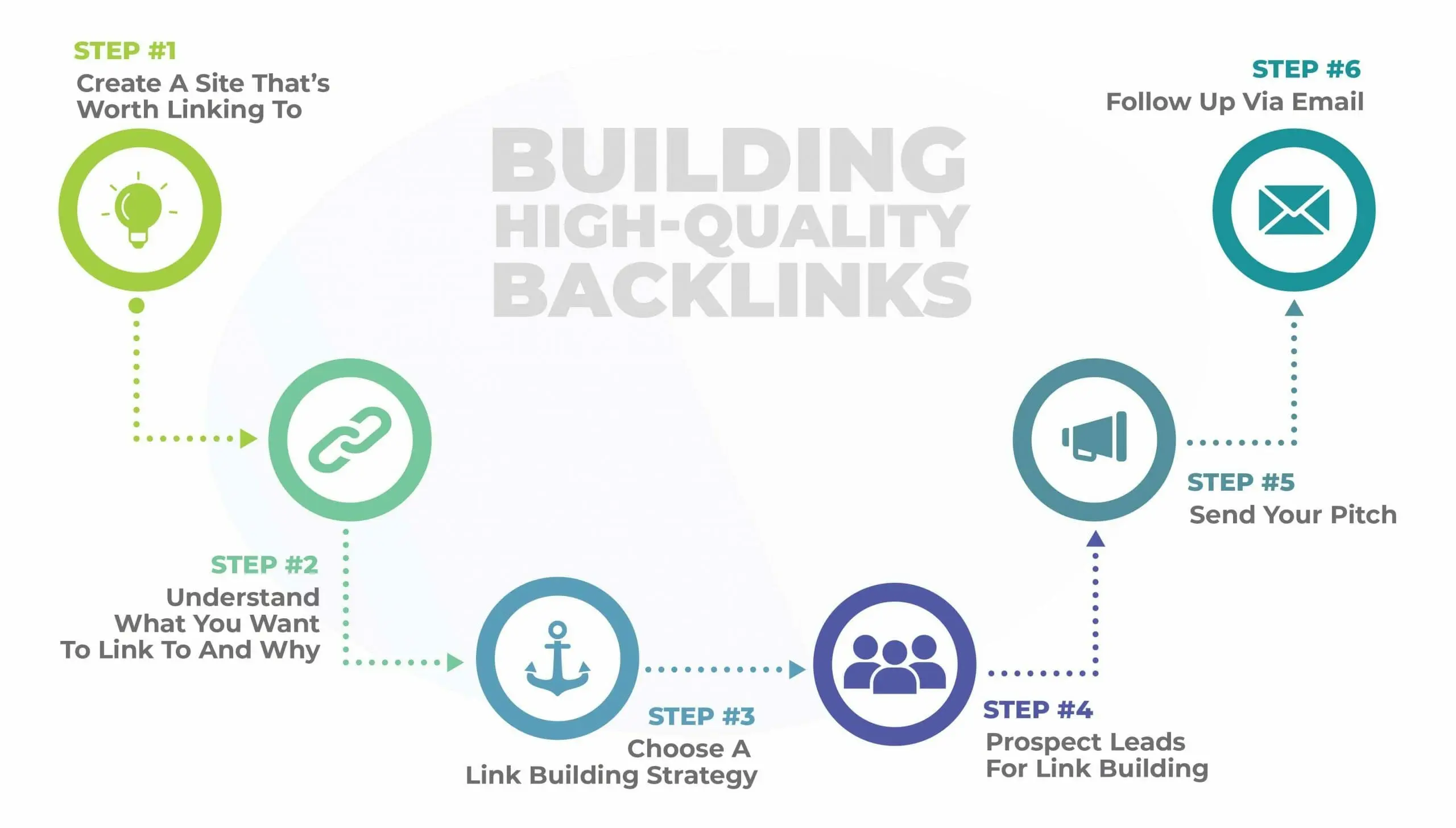
In the competitive landscape of digital marketing, understanding your competitors' backlink strategies can provide valuable insights and opportunities for your own SEO efforts. By analyzing where and how your competitors are earning their backlinks, you can identify gaps in your strategy, discover new link building opportunities, and gain a strategic advantage in your industry. This article explores seven effective methods for analyzing competitor backlink profiles to inform and enhance your own link building campaigns.
Why Competitor Backlink Analysis Matters in 2025
Before diving into the specific analysis methods, it's important to understand why competitor backlink analysis has become even more crucial in 2025's SEO environment:
- Search algorithms continue to place significant weight on backlink quality and relevance
- The increasing sophistication of AI-powered search has raised the bar for link quality
- Industry-specific link patterns have become more important for establishing topical authority
- Identifying untapped link opportunities can provide significant competitive advantages
- Understanding competitor strategies helps prioritize your link building resources effectively
With these factors in mind, let's explore the seven most effective ways to analyze your competitors' backlink profiles for strategic insights.
1. Identify Your True Search Competitors
The first step in effective competitor backlink analysis is ensuring you're analyzing the right competitors. Your business competitors aren't always your search competitors, and focusing on the wrong websites can lead to misguided strategies.
How to Identify Search Competitors:
Start by identifying the keywords most valuable to your business. These should include:
- High-conversion keywords directly related to your products or services
- Informational keywords relevant to your target audience's needs
- Brand-adjacent terms that indicate interest in your solutions
Once you have this keyword list, use SEO tools like Ahrefs, SEMrush, or Moz to identify which websites consistently rank in the top positions for these terms. This will reveal your true search competitors—the websites competing for the same organic visibility as you.
For a more comprehensive analysis, categorize these competitors into:
- Direct competitors: Businesses offering similar products/services
- Indirect competitors: Websites ranking for your target keywords but offering different solutions
- Aspirational competitors: Industry leaders whose SEO success you aim to replicate
This categorization helps you understand different link building approaches within your industry and identify which strategies might be most relevant to your specific situation.
2. Conduct a Comparative Domain-Level Analysis
Once you've identified your search competitors, start with a broad domain-level analysis to understand the overall strength and characteristics of their backlink profiles.
Key Metrics to Compare:
- Total backlinks: The raw number of backlinks pointing to each competitor's domain
- Referring domains: The number of unique websites linking to each competitor
- Domain authority/rating: The overall strength of each domain according to tools like Moz or Ahrefs
- Link growth trends: How competitors' backlink profiles have developed over time
- Link quality distribution: The proportion of high, medium, and low-authority links
- Link diversity: The variety of link sources (blogs, news sites, directories, etc.)
This comparative analysis provides context for your own link building goals. For example, if you discover that all top-ranking competitors have at least 500 referring domains, this gives you a benchmark to work toward. Similarly, if you notice that the highest-ranking competitor has fewer total links but more high-quality referring domains, this suggests that link quality should be prioritized over quantity in your industry.
3. Identify Common Backlink Sources
One of the most actionable insights from competitor analysis is identifying websites that link to multiple competitors but not to you. These represent relatively easy link acquisition opportunities, as they've already demonstrated willingness to link to businesses in your space.
How to Find Common Backlink Sources:
Use tools like Link Intersect in Ahrefs or Backlink Gap Analysis in SEMrush to identify domains that link to two or more of your competitors. Focus particularly on:
- Industry publications and blogs that regularly cover businesses like yours
- Resource pages that list useful tools or services in your category
- Directories specific to your industry or location
- Review sites that feature multiple competitors
- Educational institutions or government sites with relevant resource sections
For each identified opportunity, analyze:
- The context in which competitors are mentioned
- The type of content that earned the link (product feature, expert quote, guest post, etc.)
- Whether the link is followed or nofollowed
- The anchor text used in the link
This information helps you craft targeted outreach strategies with higher success rates, as you can reference existing relationships with similar businesses and tailor your approach to match what has already worked for the linking site.
4. Analyze Top-Performing Pages
Beyond domain-level analysis, examining which specific pages on competitor websites attract the most backlinks can reveal valuable content strategies and link building opportunities.
How to Analyze Top-Linked Pages:
For each competitor, identify the 10-15 pages (excluding the homepage) that have attracted the most backlinks. Then analyze:
- Content type: Are they blog posts, tools, resources, case studies, or something else?
- Content format: Text-heavy articles, visual content, interactive tools, videos, etc.
- Content topics: What specific subjects are attracting links?
- Content length and depth: Are comprehensive guides earning more links than shorter pieces?
- Unique value proposition: What makes these pages link-worthy? Original research, expert insights, useful tools?
This analysis often reveals patterns in what type of content attracts links in your industry. For example, you might discover that original research studies or interactive calculators consistently earn the most backlinks, guiding your content creation priorities.
Look for content gaps—valuable topics that competitors haven't covered comprehensively or unique angles they've missed. These represent opportunities to create superior content that could attract links from the same sources and beyond.
5. Examine Anchor Text Distributions
The anchor text profile of your competitors' backlinks provides insights into both their link building strategies and what Google considers natural in your industry.
Key Anchor Text Categories to Analyze:
- Branded anchors: Containing the company or product name
- Exact-match anchors: Precisely matching target keywords
- Partial-match anchors: Containing variations of target keywords
- Generic anchors: "Click here," "read more," etc.
- Naked URL anchors: The URL itself used as anchor text
- Image anchors: Alt text used when images are linked
Compare the anchor text distribution across competitors, particularly those who rank highest for your target keywords. This comparison reveals what Google considers a natural anchor text profile in your niche.
For example, if top-ranking competitors have predominantly branded and generic anchor text with only 5-10% exact-match anchors, this suggests that an over-optimized anchor text strategy (with many exact-match anchors) might be risky in your industry.
This analysis helps you develop anchor text guidelines for your link building efforts, ensuring your profile remains natural while still incorporating relevant keywords where appropriate.
6. Identify Link Acquisition Strategies
By examining patterns in competitors' backlinks, you can often reverse-engineer their link building strategies and adapt successful approaches for your own campaigns.
How to Identify Link Building Tactics:
Group competitor backlinks by apparent acquisition method:
- Guest posting: Links from author bios or within guest articles
- PR and media outreach: Links from news sites, press releases, interviews
- Resource link building: Links from resource pages, "useful tools" lists
- Scholarship links: Links from educational institutions to scholarship pages
- Sponsorships and donations: Links acknowledging financial support
- Content partnerships: Co-created content, research collaborations
- HARO or expert roundups: Links from articles featuring expert quotes
For each identified strategy, assess:
- The quality and relevance of links it generates
- The resources required to implement it effectively
- Whether it aligns with your brand values and capabilities
- If there are diminishing returns (e.g., too many competitors using the same tactic)
This analysis helps you prioritize link building tactics that have proven effective in your niche while avoiding oversaturated approaches or those that don't align with your resources and brand positioning.
7. Conduct Temporal Analysis of Link Acquisition
Understanding when and how quickly competitors acquire links provides insights into their content promotion strategies and the sustainability of their link building efforts.
How to Perform Temporal Link Analysis:
- Track link acquisition patterns over time (monthly or quarterly)
- Identify spikes in link growth and correlate them with specific events or content publications
- Analyze the longevity of links (do they tend to be permanent or temporary?)
- Examine seasonal patterns in link acquisition
This analysis reveals:
- Which content promotion tactics generate immediate link spikes
- How competitors maintain consistent link growth between major campaigns
- Whether competitors focus on sustainable link building or quick wins
- Optimal timing for different types of link building initiatives
For example, you might discover that a competitor experiences significant link spikes whenever they publish industry research reports, but struggles to maintain consistent link acquisition between these major publications. This insight could inform a two-pronged strategy: creating your own research-based content while also implementing more consistent link building tactics to maintain steady growth.
Turning Analysis into Action: Creating Your Strategic Link Building Plan
After conducting these seven types of competitor backlink analysis, the final step is synthesizing the insights into a cohesive link building strategy:
1. Prioritize Quick Wins
Start with the common backlink sources you've identified—websites linking to multiple competitors but not to you. These represent the lowest-hanging fruit and can generate relatively quick results.
2. Develop a Content Strategy Based on Proven Link Magnets
Use your analysis of competitors' top-linked pages to inform your content creation. Focus on topics and formats that have demonstrated link-earning potential in your industry, but find ways to make your content more comprehensive, current, or visually appealing.
3. Diversify Your Link Building Tactics
Based on the strategies you've identified, develop a diversified link building approach that combines multiple effective tactics. This reduces reliance on any single method and creates a more natural, sustainable link profile.
4. Set Realistic Benchmarks
Use the domain-level metrics you've gathered to establish realistic goals for your link building campaign. Rather than arbitrary targets, base your objectives on the actual link profiles of successful competitors in your space.
5. Monitor and Adapt
Implement a system for ongoing competitor backlink monitoring. SEO is dynamic, and staying aware of changes in competitor strategies allows you to adapt quickly and maintain your competitive edge.
Conclusion
Competitor backlink analysis is not about blindly copying what others are doing—it's about gaining insights that inform a more effective, efficient link building strategy tailored to your specific goals and resources. By systematically analyzing your competitors' backlink profiles using these seven approaches, you can identify opportunities they've missed, learn from their successes and failures, and develop a link building strategy that helps you not just catch up to competitors, but ultimately surpass them.
Remember that the most successful SEO strategies combine competitive intelligence with originality. Use these insights as a foundation, but don't be afraid to innovate and develop link building approaches uniquely suited to your brand's strengths and audience needs.